

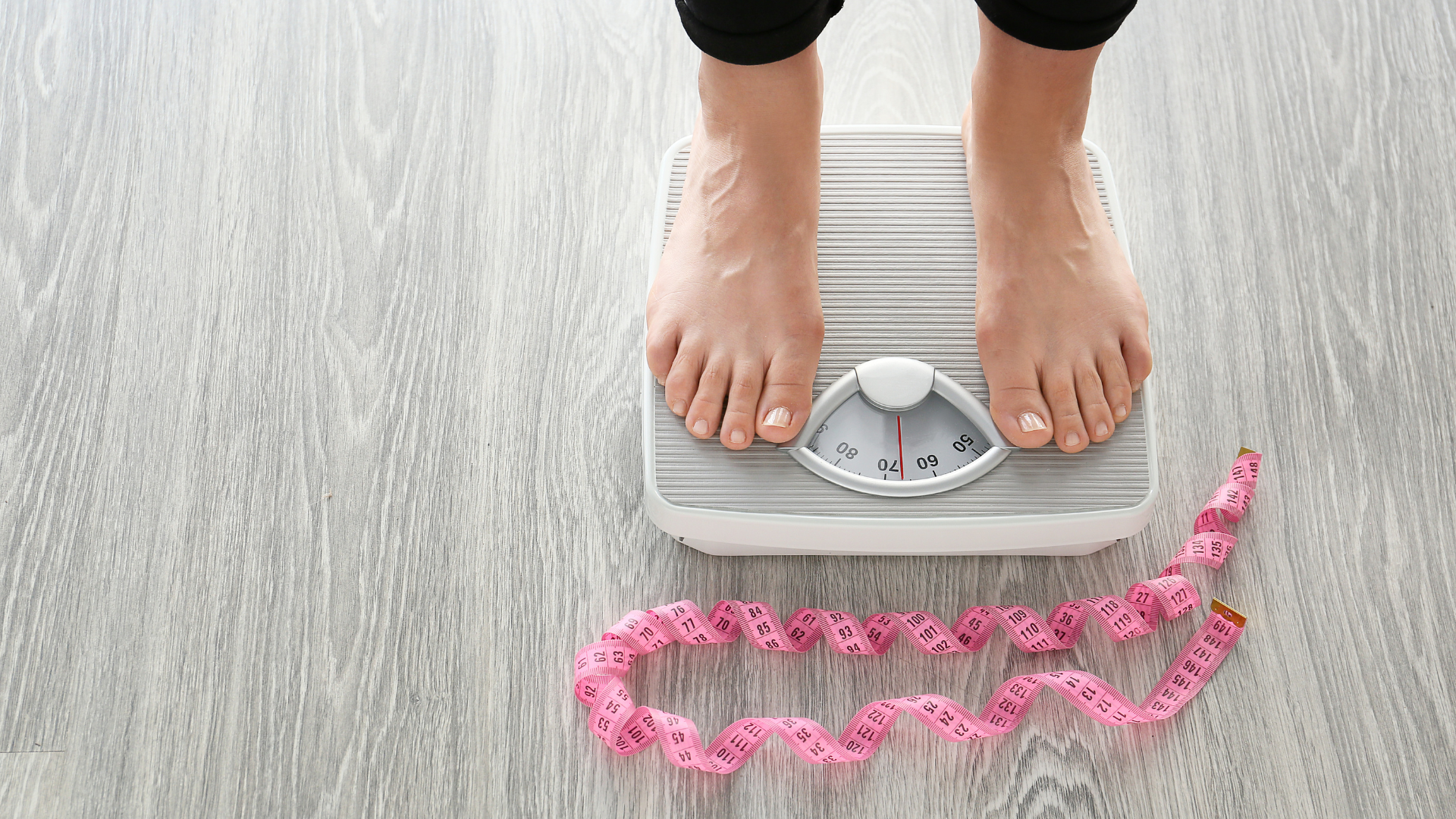
Air pollution could be a significant factor in the prevalence of obesity among women.
Obesity has become a major global health predicament in recent decades as more people fell into unhealthful diets and fail to exercise regularly. These actions have resulted in weight gain that has far-reaching effects on individuals' overall well-being.
In their late 40s and early 50s, women who were exposed to elevated levels of air pollution over years accrued significant increases in their body size and composition indicators. This alarming trend is one that epidemiology research investigator Xin Wang described as alarming in a recent study he co-authored at the University of Michigan School of Public Health - among other things, it suggests that long-term exposure could be harmful for body sizes.
Data were derived from 1,654 Caucasian, African-American, Chinese and Japanese women who participated in the Study of Women's Health Across the Nation. These subjects' median age during baseline was nearly 50 years old - with observation between 2000 and 2008.
The researchers linked residential addresses with estimates of pollutant concentrations to assign annual inhalation exposures. They examined associations between the pollution and participants' body size and composition metrics - specifically, whether these affected each other differently depending on physical activity levels.
Air pollution exposure was associated with elevated levels of body fat and higher proportions of adipose tissue in midlife women. For instance, the average increase in body fat was 4.5%, equivalent to 2.6 pounds over a period of time.
Experts delved into the interplay between air pollution and physical activity on body composition. High levels of physical activity, which were derived from a set of exercises ranging from infrequent to arduous, proved to be an effective antidote for exposure and offsetting pollutants.
Given the investigation's remit to middle-aged women, the results of this study cannot be extrapolated to any other age group, including men and those outside the age group.
Source: ScienceDaily