

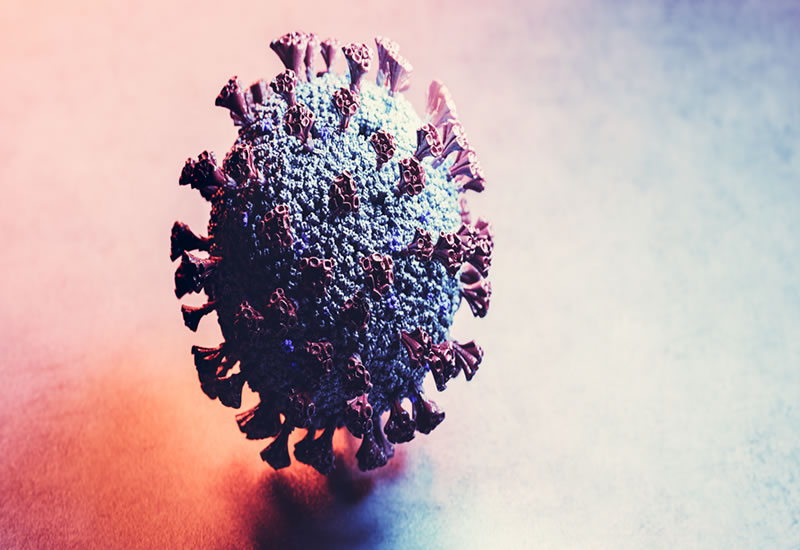
COVID-19 transmittable through air
Airborne Covid-19: How to Protect Yourself
As the Covid-19 pandemic rages around the world, one thing is becoming more evident. The coronavirus is more transmittable through the air than surfaces.
In the past, the general feeling has been that Covid spreads through contact with contaminated surfaces. Therefore, most organizations have prioritized the disinfection of surfaces without giving much attention to the airborne transmission of Covid-19.
How Does Coronavirus Spread?
The World Health Organization says the virus spreads through liquid particles from an infected person.
How? There are two methods so far:
a. Airborne Transmission
When an infected person sneezes, coughs, speaks, or breathes, they emit these virus-laden particles. When these large droplets or small particles, known as aerosols, are inhaled, they cause an infection.
This transmission occurs when the respiratory droplets land on the other person's nose, mouth, or eyes.
In most cases, the coronavirus spreads when people are within one meter of each other or in poorly ventilated spaces.
b. Contaminated Spaces
One may also get infected through contaminated surfaces.
But, this only occurs if you touch your nose, eyes, or mouth with dirty hands after being in contact with a contaminated surface.
How Long Do Covid Particles Stay in The Air?
To curb Covid-19 effectively, it might be more important to pay more attention to the airborne transmission of Covid-19.
First, we need to understand how long can Covid-19 respiratory droplets possibly remain in the air.
Research shows large respiratory droplets clear out of the air within seconds to minutes.
However, the aerosols, which are smaller in size, can last longer. Usually, the fine particles can stay in the air for minutes, sometimes even hours.
Preventing Covid in Offices
Can you catch Covid at work? Yes. But you don't have to.
The risk of contracting Covid-19 in an office setting is high when there's little social distancing between workers.
You're also likely to get the coronavirus if your office is poorly ventilated and there's an infected person.
Apart from ensuring safety measures such as handwashing and sanitizing, employers can prevent the virus from spreading through the following ways:
a. Encouraging a work-from-home system
b. Physical distancing
c. Making sure employees wear masks to prevent airborne spread
d. Keeping windows open when possible
e. Working with high-efficiency particulate air (HEPA) filtering systems
f. Having a reporting system for Covid-infected workers
Preventing Covid in Schools
Covid-19 has taken an emotional toll on parents and children. Parents fear for the safety of their children while in school.
Due to this, schools should keep their children and staff safe.
How do they ensure safety and avoid virus spread? Here are a few tips:
a. Plan for distant learning, where possible
b. Ensure social distancing, wearing of masks, and hygiene for in-person learning
c. Carry out hybrid learning programs to decongest schools
d. Keep sick children at home
e. Use HEPA filters, where possible
The Place of Air Purification in Covid Prevention
Now that we have established the coronavirus is also airborne, the focus should turn to air purification systems.
Air purifiers not only rid your home, office, or school of dust but are also excellent at filtering viruses and other germs.
For this reason, HyperHEPA technology (higher performance HEPA filtration) comes in handy when you can't crack a window open.
Best HEPA Air Purifier for Covid-19
To keep Covid-19 at bay, you need the best air purification technology.
Although HEPA air filtration systems work well, HyperHEPA technology is the absolute best at filtering viruses.
IQAir has the best HyperHEPA technology to keep your air clean and virus-free.
Why? While the average HEPA systems filter down to 0.3 microns, the IQAir HyperHEPA technology filters down to the smallest particles known to exist at 0.003 microns. The majority of pollutants, including viruses, are in this 0.003 microns range.
- Log in to post comments