

What is carbon dioxide (CO2) ?
Carbon dioxide is a colorless, odorless gas that is created when carbon and oxygen atoms are combined. It is a natural part of the Earth's carbon cycle - the circulation of carbon between the atmosphere, plants, animals, soils and oceans. Human activity since the industrial era has increased levels of CO2 in the atmosphere which has altered this cycle by decreasing how much natural carbon sinks can remove it from Earth's air.
Where does it come from?
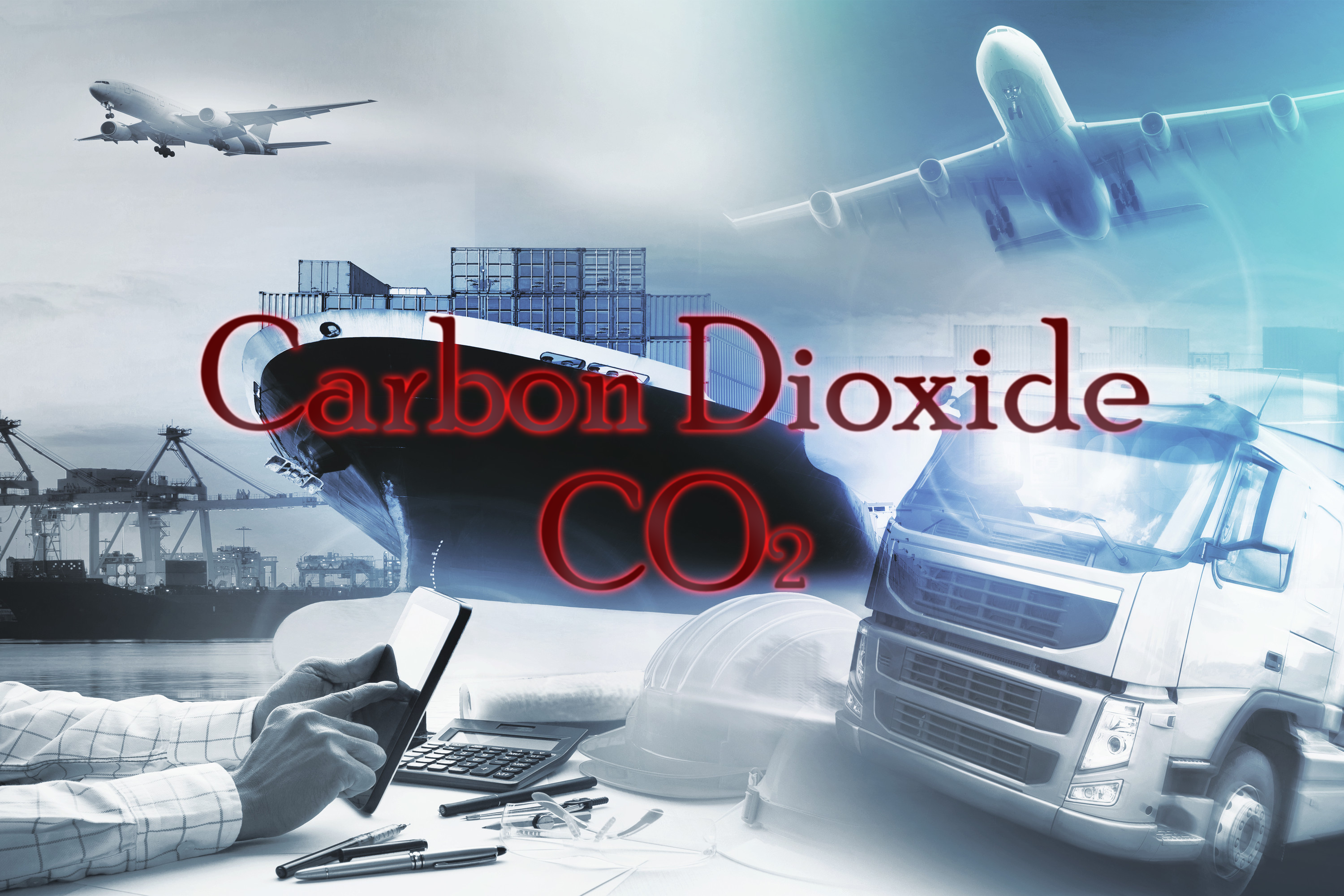
Carbon dioxide is produced primarily through the burning of fossil fuels, such as oil, coal, and natural gas. Some main sources of emissions globally include transport, industry, and fuel burning for electricity and heating. It can also be produced naturally through sources such as animals, volcanoes, oceans, soils (including peat bogs), and plants.
How does it affect our health?
Carbon dioxide can build up indoors if rooms are not well ventilated. High CO2 concentrations indoors can make people feel lethargic, cause headaches and difficulty concentrating, dizziness and even nausea. Higher concentrations (e.g. >5000ppm over a few hours) can provoke increased heart rate, elevated blood pressure, or even in extreme cases coma, asphyxia, and convulsions.
Indirect health effects can also be drawn from CO2’s contribution to climate change, which is predicted to negatively impact air quality and may thus aggravate the adverse health effects associated with increased pollutants (such as ozone and particle pollution).
Environmental effects?
As the primary greenhouse gas contributing to global warming and climate change, CO2 bears significant environmental impacts. CO2 is a ‘heat-trapping’ gas, in that it limits the heat radiation that reaches the Earth from being reflected back away again. CO2 and other greenhouse gases thus contribute to the “greenhouse effect”, trapping more and more heat in the Earth’s atmosphere instead of the heat being reflected away.
The increase in global temperatures is having a number of deleterious consequences for our planet and its environment. These include higher levels of sea level rise, an increased likelihood of drought and wildfires, the loss of species, and damage to ecosystems.
A global effort to reduce carbon emissions has been spurred by the dramatic negative environmental effects of increased levels of carbon dioxide. Reducing sources of carbon emissions, such as burning fossil fuels, can often also help reduce levels of ambient air pollution, which is often produced from the same sources.
Source: IQAir