

WHO - "Tobacco: poisoning our planet... one of the biggest polluters that we know of."
The tobacco industry is a major environmental hazard, according to the World Health Organization. It is one of the world's biggest polluters, from leaving mountains of waste to driving global warming.
In a report released on Monday, the World Health Organization pointed fingers directly at the global industry of causing widespread deforestation, diverting badly needed land and water away from food production in poor countries, spewing out plastic and chemical waste as well as emitting millions of tonnes of carbon dioxide.
The UN agency released a report on World No Tobacco Day urging the tobacco industry to be held accountable and foot the bill for the cleanup costs of their products.
The report, "Tobacco: poisoning our planet", looks at the impacts of tobacco production and consumption on the environment. It considers the growth of plants, manufacturing of tobacco products, consumption and waste.
Tobacco's health impacts have been well documented for many years, with smoking still causing more than eight million deaths each year. The report instead focuses on the broader environmental consequences of tobacco use. The findings of the study are quite devastating, Ruediger Krech, WHO director of health promotion told AFP. He slammed the industry as "one of the biggest polluters that we know of."
The report found that the industry is responsible for the loss of 600 million trees each year, while tobacco growing and production uses 200,000 hectares of land and 22 billion tonnes of water annually. It also emits around 84 million tonnes of carbon dioxide each year.
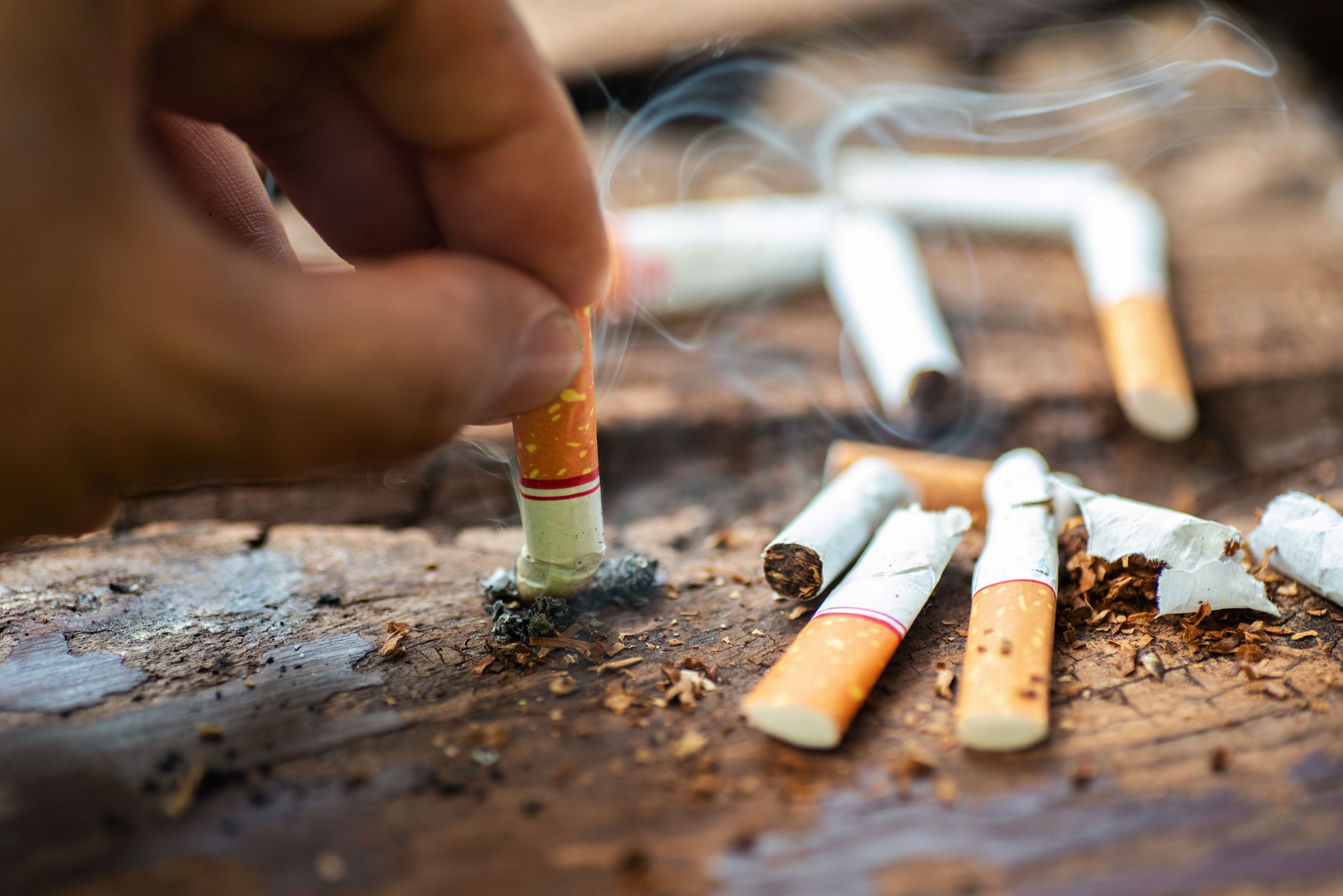
According to Krech, tobacco products are one of the most littered items on Earth, containing over 7,000 toxic chemicals. This leeching into our environment causes harm to both people and the planet. He pointed out that each one of the estimated 4.5 trillion cigarette butts that end up in our oceans, rivers, sidewalks and beaches every year can pollute 100 liters of water. And up to a quarter of all tobacco farmers contract so-called green tobacco sickness, or poisoning from the nicotine they absorb through the skin.
Many farmers who spend their days handling tobacco leaves consume the equivalent of 50 cigarettes a day, according to Krech. This is especially concerning for the many children involved in tobacco farming, since they are often exposed to high levels of nicotine.
Tobacco is grown in areas with limited resources, often at the expense of other crops that could be used to provide sustenance for people. This farming practice has a negative impact on the environment by contributing to deforestation and water shortages. Tobacco processing and transportation itself account for a significant share of global greenhouse gas emissions.
According to the World Health Organization, products like cigarettes, smokeless tobacco and e-cigarettes also contribute significantly to the global build-up of plastic pollution. These products often contain microplastics, which are tiny fragments that have been detected in every ocean and even at the bottom of the world's deepest trench.
The industry should pay for the actual mess that they are creating
Despite tobacco industry marketing, WHO stressed that there is no evidence filters provide any proven health benefits over smoking non-filtered cigarettes.The report found that taxpayers around the world were covering the towering costs of cleaning up the tobacco industry's mess. China, India, Brazil, and Germany were all spending a significant amount of money each year to clean up littered tobacco products.
Source: VNExpress