

The Holiday Kitchen: How to Keep Indoor Air Clean While Cooking
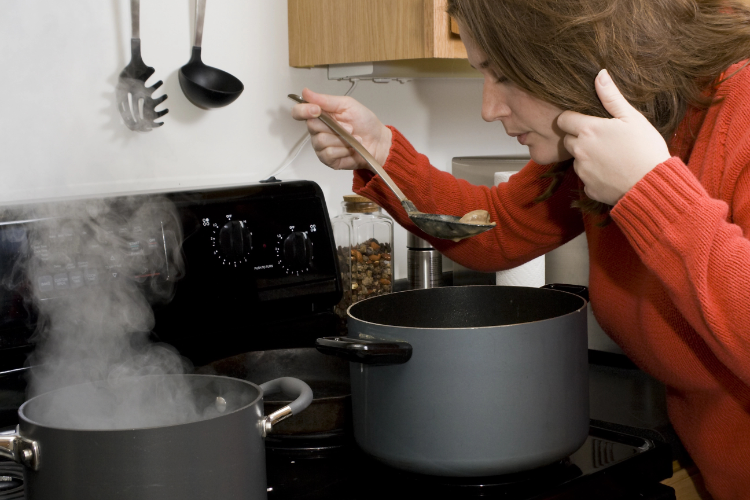
As the New Year’s holiday approaches, many families gather in the kitchen, preparing warm, comforting meals as a meaningful way to welcome the year ahead. These shared moments around the stove bring a familiar sense of closeness and warmth that defines the holiday season. However, what often goes unnoticed is that every day cooking activities in enclosed spaces can significantly reduce indoor air quality.
According to multiple studies on indoor environments, cooking—especially frying, stir-frying, and grilling—can release fine particulate matter (PM2.5), nitrogen dioxide (NO₂), carbon monoxide (CO), and volatile organic compounds (VOCs). Without proper control, these pollutants can accumulate indoors and negatively affect respiratory health, particularly for children, older adults, and people with existing health conditions.
So how can families preserve the joy of cooking together while keeping their homes fresh and comfortable during the New Year period? IQAir shares a few simple yet effective ways to reduce indoor emissions while cooking.
1. Proper ventilation: the most important step
Ventilation plays a critical role in quickly reducing pollutants generated during cooking. Range hoods should be turned on as soon as cooking begins, rather than waiting until smoke becomes visible, to prevent the buildup of fine particles and odors in the kitchen. If the kitchen has windows or ventilation openings, opening them helps create airflow that carries smoke and grease-laden air outside more effectively.
In enclosed kitchens, a small fan positioned to blow air outward can further support air circulation, helping keep the cooking space noticeably more comfortable throughout meal preparation.
2. Keep cooking surfaces clean to reduce smoke
Grease buildup on stovetops and burner grates does more than affect cleanliness—it can also increase smoke during subsequent cooking sessions. When reheated, leftover grease is more likely to burn, releasing unpleasant odors and fine pollutant particles into the air.
Cleaning the stove after each use helps prevent this issue while keeping the kitchen tidy and pleasant—an especially important habit during the holiday season, when cooking frequency often increases.
3. Avoid overheating cooking oil
Cooking at excessively high temperatures, particularly during frying or stir-frying, causes oil to reach its smoke point more quickly. At this stage, greater amounts of smoke, fine particles, and airborne pollutants are released. Beyond air quality concerns, overheated oil can also lead to burnt flavors and reduced food quality.
Keeping heat at a moderate level and avoiding prolonged high-temperature oil heating are simple yet effective ways to reduce emissions during cooking—especially during extended family meals at the start of the year.
4. Use a reliable air purifier
Even with proper ventilation, some PM2.5 particles and gaseous pollutants can remain indoors and spread to other areas of the home. A high-quality air purifier provides an additional layer of protection by capturing remaining pollutants and reducing lingering cooking odors.
For best results, place the air purifier near the kitchen while keeping it safely away from heat sources. This solution is particularly beneficial at the beginning of the year, when families tend to spend more time indoors and cooking sessions may last longer. Explore effective air purification solutions from IQAir Vietnam to support cleaner indoor air.
🍃 IQAir believes that with a few mindful kitchen habits and the right air purification solutions, families can fully enjoy a warm, joyful New Year’s holiday together—while keeping indoor air fresh, clean, and comfortable as the new year begins.