


How Air Pollution Damages Your Skin: What Science Now Reveals
When we think of the health risks of air pollution, lung and heart diseases come to mind. But recent clinical and biological evidence has revealed that the skin—our body’s largest organ—is also a major target. Constantly exposed to the environment, the skin is directly affected by airborne pollutants, and new research shows the consequences are deeper and more lasting than previously believed.
Your Skin, the First Line of Defense—Under Attack
Outdoor and indoor air pollutants such as PM2.5, PM10, ozone (O₃), nitrogen dioxide (NO₂), and polycyclic aromatic hydrocarbons (PAHs) are not just a threat to your lungs. These toxic particles can penetrate or settle on the skin, where they initiate a chain reaction of oxidative stress, inflammation, and barrier disruption. According to a review published in Clinical and Experimental Dermatology, pollutants reduce skin antioxidants and trigger inflammatory pathways, weakening the skin’s defense system over time.
These mechanisms are not theoretical. The review highlights numerous in vivo and in vitro studies demonstrating pollutant-induced damage in both superficial and deeper layers of skin. The result? Increased skin sensitivity, dullness, inflammation, and accelerated aging.
Visible Signs: Premature Aging and Dry, Irritated Skin
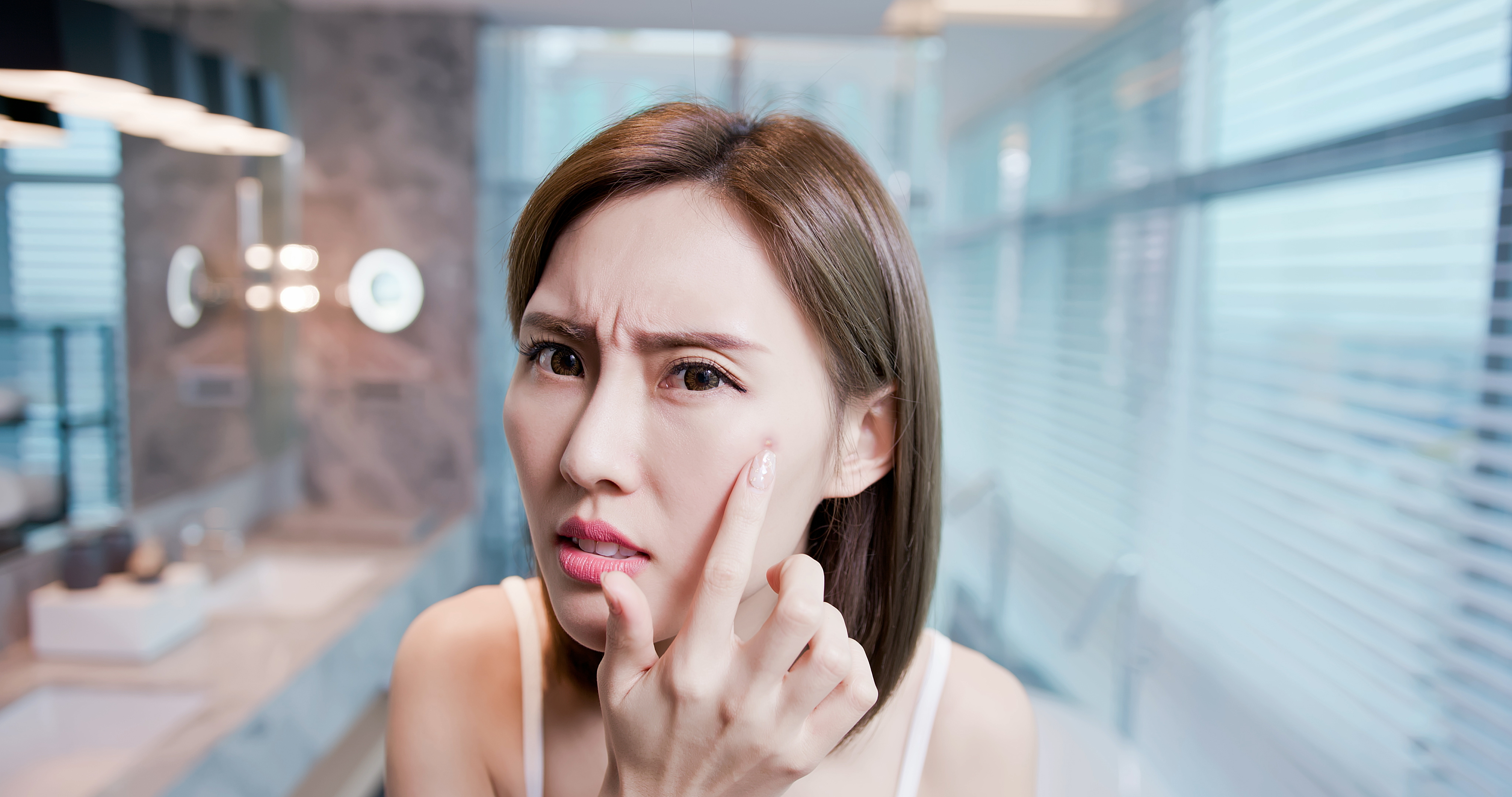
Air pollution has been clinically linked to facial lentigines (commonly known as age spots), wrinkles, and loss of elasticity—particularly in individuals exposed to high traffic-related pollution. The authors also note that people living in polluted areas may experience reduced skin moisture, increased sebum production, and worsening of chronic inflammatory skin conditions such as eczema, acne, and rosacea.
One alarming insight from the study is the synergistic effect between pollutants and ultraviolet (UV) radiation. While both pollutants and UV rays independently cause oxidative stress, their interaction may amplify the damage, accelerating skin aging and inflammation. The researchers call for further investigation into how these combined exposures impact long-term skin health.
Pollution Is Part of the Skin “Exposome”
The study emphasizes the concept of the exposome, which includes all external and internal environmental exposures throughout a person’s life—from air pollution and UV light to diet, stress, and microbiome imbalances. Air pollution is a significant component of this exposome, but the skin’s response is shaped by lifestyle, occupational exposure, and individual vulnerability.
For example, people working outdoors or living near industrial zones are at greater risk. Children and the elderly, whose skin barrier may be weaker, are especially vulnerable. These factors don't act in isolation—they accumulate and interact, potentially compounding long-term health consequences.
How to Protect Your Skin
Given this growing body of evidence, protecting your skin from air pollution is not a cosmetic concern—it’s a health priority. Here are science-backed recommendations to minimize harm:
- Improve indoor air quality: Install a high-performance air purifier (with HyperHEPA and activated carbon filtration) to reduce fine particles and chemical pollutants inside your home or office.
- Adopt antioxidant skincare: Use products rich in vitamins C and E, niacinamide, and polyphenols to neutralize free radicals.
- Cleanse gently but thoroughly: Removing pollutant residues from the skin each day can prevent buildup and barrier damage.
- Shield from the sun: Daily use of a broad-spectrum sunscreen is crucial, especially since UV rays amplify pollution-related damage.
- Track the AQI: Use tools like the IQAir AirVisual app to monitor local air pollution and adjust your activities or skincare accordingly.