

Protect Your Child’s Health: Why Classroom Air Quality Matters
Indoor air quality (IAQ) in school classrooms is a vital but often underappreciated factor that influences the health, comfort, and academic performance of students and teachers. The 2012 critical review conducted by researchers in the UK provides a comprehensive evaluation of the existing evidence on IAQ in schools, highlighting key challenges and opportunities for improvement.
📚 Why Indoor Air Quality in Schools Matters
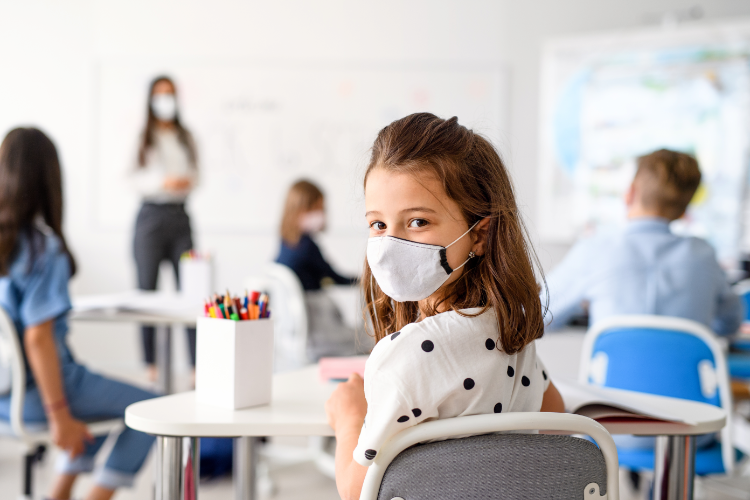
Children spend a large portion of their day inside classrooms, making the quality of the indoor air a significant determinant of their well-being and learning ability. Poor IAQ can lead to immediate discomfort such as headaches, fatigue, and respiratory irritation, as well as long-term health issues including asthma and allergies. Moreover, studies have linked poor air quality to decreased concentration and lower academic performance, underscoring the importance of maintaining healthy classroom environments.
⚠️ Main Pollutants and Sources in School Classrooms
The review identifies several common indoor pollutants found in classrooms:
- Carbon dioxide (CO₂): Elevated CO₂ levels are a direct indicator of inadequate ventilation. High occupancy and insufficient fresh air exchange cause CO₂ to accumulate, leading to drowsiness and impaired cognitive function.
- Particulate Matter (PM): Dust, allergens, and fine particles from both indoor activities and outdoor infiltration can affect respiratory health.
- Volatile Organic Compounds (VOCs): Emitted from building materials, furnishings, cleaning products, and school supplies, VOCs contribute to indoor pollution and may cause irritation.
- Biological contaminants: Mold, bacteria, and allergens can thrive in poorly maintained or damp environments, exacerbating respiratory problems.
- Outdoor pollutants: Traffic-related pollutants such as nitrogen dioxide (NO₂) often penetrate classrooms, especially those near busy roads.
💨 Ventilation: The Cornerstone of Healthy IAQ
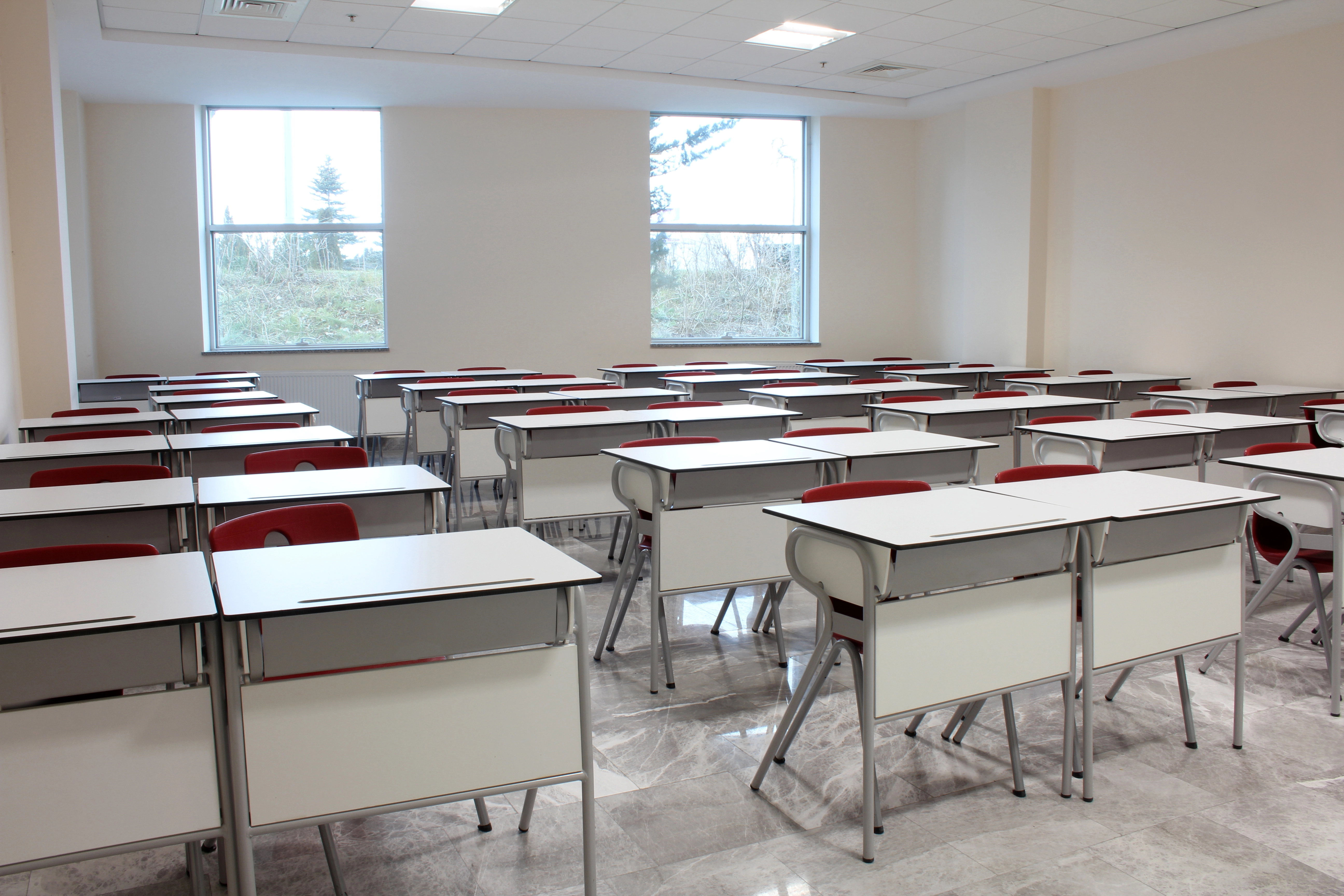
The review emphasizes that ventilation is the most critical factor influencing indoor air quality in schools. Many classrooms suffer from insufficient ventilation, which allows pollutants to build up to unhealthy levels. Natural ventilation (e.g., opening windows) and mechanical ventilation systems both play roles, but their effectiveness varies widely depending on design, maintenance, and usage patterns.
Poor ventilation not only raises CO₂ concentrations but also limits the removal of other harmful pollutants. The review highlights that classrooms often do not meet recommended ventilation rates, contributing to poor IAQ and related health symptoms.
🌡️ Thermal Comfort and Its Interaction with IAQ
Thermal conditions such as temperature and humidity also affect students’ comfort and perception of air quality. Overheated or overly humid classrooms can worsen the effects of pollutants and increase discomfort. The review notes the importance of integrating thermal comfort considerations with IAQ management to create optimal learning environments.
🏥 Health and Academic Impacts
The evidence reviewed links poor IAQ with a range of adverse health outcomes in children, including:
- Increased incidence of respiratory symptoms such as coughing, wheezing, and asthma exacerbations.
- Greater absenteeism due to illness.
- General symptoms like headaches, fatigue, and irritation of eyes, nose, and throat.
Importantly, poor air quality is also associated with reduced cognitive function and academic performance. Elevated CO₂ and particulate matter levels can impair concentration, memory, and test scores, affecting students’ ability to learn effectively. The review also identifies several challenges in improving IAQ in schools: Lack of standardized guidelines:;There is no universally accepted standard for optimal IAQ in school classrooms, making it difficult to benchmark and regulate conditions; Variability in school building designs:;Differences in construction and maintenance of school buildings affect IAQ outcomes; Limited monitoring:;Many schools lack systematic IAQ monitoring, leading to unrecognized problems; Complex pollutant sources:;Both indoor and outdoor sources contribute to IAQ, requiring integrated management approaches.

🛠️ Recommendations for Improving IAQ in Schools
- Enhance ventilation: Increase fresh air supply through natural or mechanical means to maintain CO₂ below recommended levels (often cited as below 1000 ppm).
- Control pollutant sources: Use low-emission building materials and cleaning products; minimize indoor sources of VOCs and particulate matter.
- Regular maintenance: Ensure HVAC systems are well-maintained, and classrooms are cleaned to reduce dust and biological contaminants.
- Monitor IAQ: Implement routine measurement of key parameters such as CO₂, particulate matter, temperature, and humidity.
- Design considerations: When constructing or renovating schools, prioritize designs that support good ventilation and air quality.
- Educate occupants: Raise awareness among teachers and students about the importance of IAQ and simple actions like opening windows when possible.
In conclusion, this review underscores that indoor air quality in school classrooms is a multifaceted issue with significant implications for health and learning. Ensuring good IAQ requires a combination of effective ventilation, pollutant source control, regular maintenance, and ongoing monitoring.
For schools, policymakers, and communities, prioritizing indoor air quality is an investment in children’s health, comfort, and academic success. As the evidence grows, so does the imperative to create classroom environments where every child can breathe clean air and thrive.
Resource: Chatzidiakou, L., Mumovic, D., & Summerfield, A. J. (2012). What do we know about indoor air quality in school classrooms? A critical review of the literature. Intelligent Buildings International, 4(4), 228–259.