

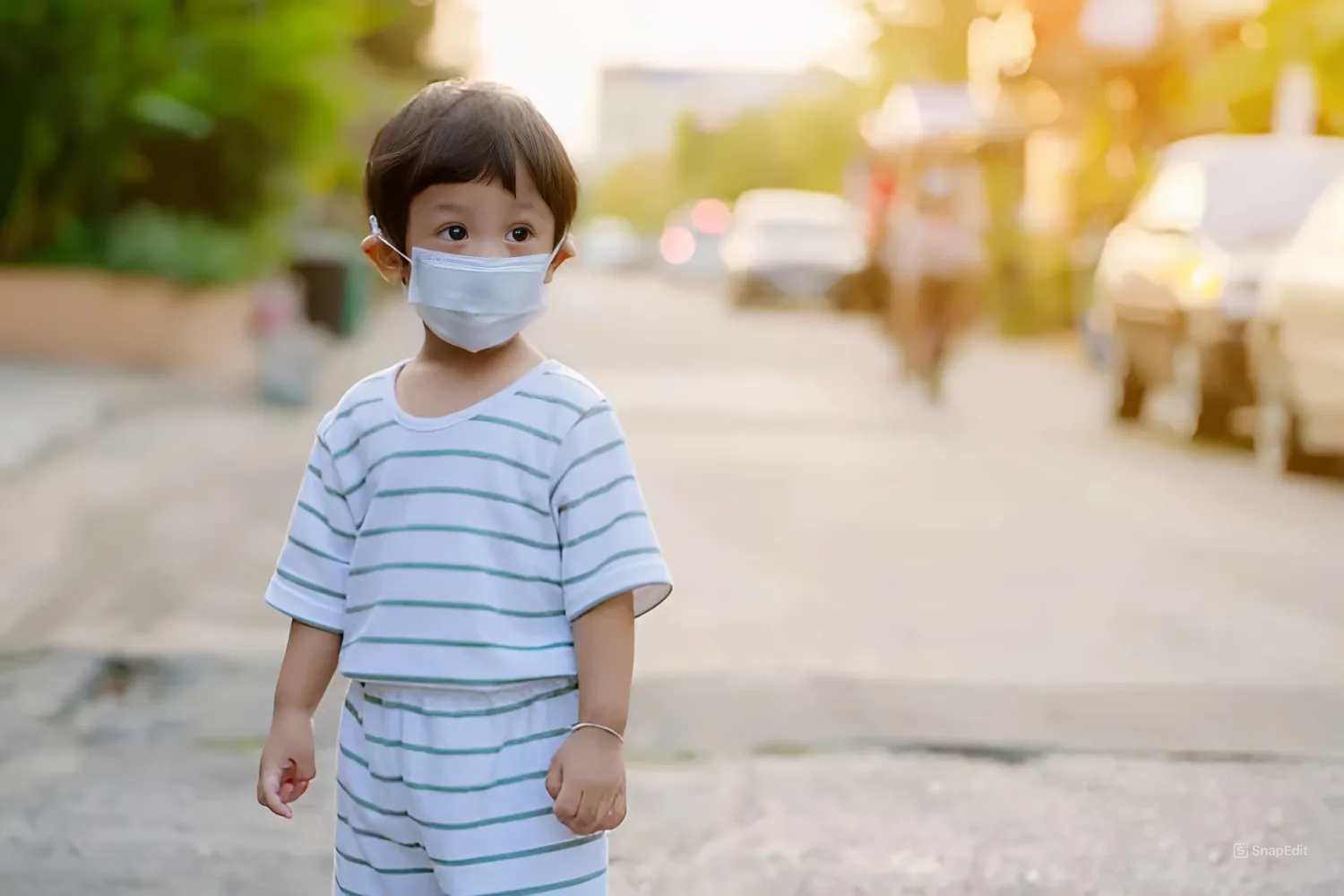
Air Pollution Linked to Nearly 2,000 Child Deaths Daily: Alarming Global Report
A recent report has revealed that nearly 2,000 children die every day due to health issues caused by air pollution, making it the second leading risk factor for early death worldwide. The report, issued by the U.S.-based Health Effects Institute (HEI), highlights the devastating toll air pollution takes on global health, with a particular emphasis on its impact on children.
Air Pollution's Global Toll on Health
According to the report, exposure to air pollution was responsible for 8.1 million deaths in 2021—accounting for approximately 12% of global fatalities. This makes air pollution the second leading cause of premature death, surpassing tobacco use and poor diet, and only trailing high blood pressure as the top global health risk.
Pallavi Pant, the HEI's head of global health, stressed that while these figures are alarming, they may still underestimate the full impact of air pollution, as the report does not fully capture its effects on brain health and neurodegenerative diseases.
Children at Greater Risk
The report emphasizes the particular vulnerability of young children to the harmful effects of air pollution. More than 700,000 children under the age of five lost their lives in 2021 due to exposure to polluted air. A significant portion of these fatalities—over 500,000—was linked to indoor cooking practices using traditional fuels like coal, wood, or dung, especially in regions of Africa and Asia.
PM2.5 and Ozone Pollution: Major Culprits
The report attributes over 90% of these deaths to exposure to fine particulate matter known as PM2.5, which are tiny pollutants measuring 2.5 micrometers or less. These airborne particles are linked to serious health conditions such as lung cancer, heart disease, stroke, and diabetes.
Additionally, ozone pollution, which is expected to worsen as the climate continues to change, contributed to nearly 500,000 deaths in 2021. Climate-related events, such as wildfires, dust storms, and extreme heat, significantly increase ozone levels, exacerbating the global air quality crisis.
"Increasingly, many parts of the world are seeing very short, intense episodes of air pollution," during events such as wildfires, dust storms or extreme heat, which can drive up ozone levels.
Solutions and Global Efforts
Despite the staggering figures, experts believe that many of these problems are solvable. The report stresses that reducing reliance on dirty fuels for cooking, improving access to cleaner cooking technologies, and addressing greenhouse gas emissions can lead to significant improvements in public health.
For instance, China has made notable progress in reducing the use of harmful cooking methods. The adoption of cleaner stoves has already resulted in a 50% decrease in child mortality from air pollution-related illnesses since 2000. Recently, the International Energy Agency announced a pledge of $2.2 billion to expand access to safer cooking technologies.
A Call for Action
UNICEF's Kitty van der Heijden highlighted the profound impact of inaction on future generations, stressing that nearly 2,000 children die every day from preventable health issues related to air pollution. She called for urgent action to reduce pollution levels and safeguard the health of children globally.
As the report shows, the solutions to air pollution are closely aligned with those needed to combat climate change. By tackling air pollution and reducing greenhouse gas emissions simultaneously, the global community can improve both public health and environmental sustainability.
Source: Vietnamnews