


High Humidity: The Hidden Risk of the Rainy Season
🌧️ When Humid Air Does More Than Discomfort, It Quietly Threatens Your Respiratory Health
As the first rains of the season fall, you might welcome the cooler, fresher air, seemingly cleaner and less dusty than during the dry season. However, there's an invisible element that often escapes attention: high humidity.
When indoor humidity exceeds the ideal range (40–60%), your home usually considered a safe haven, can quickly become a breeding ground for mold, dust mites, bacteria, and allergens. These hidden threats can worsen respiratory conditions, especially in the elderly, children, and individuals with pre-existing health issues such as asthma, chronic bronchitis, or seasonal allergies.
☁️ Why Does High Humidity Affect the Respiratory System?
1. Mold Thrives in Moist Environments
Mold flourishes in dark, poorly ventilated areas with high humidity, such as bathrooms, ceilings, under cabinets, or on damp walls. Its spores are extremely light and can easily become airborne. Once inhaled, they can cause:
- Persistent coughing
- Eye, nasal, or skin irritation
- Asthma flare-ups or exacerbation of Chronic Obstructive Pulmonary Disease (COPD)
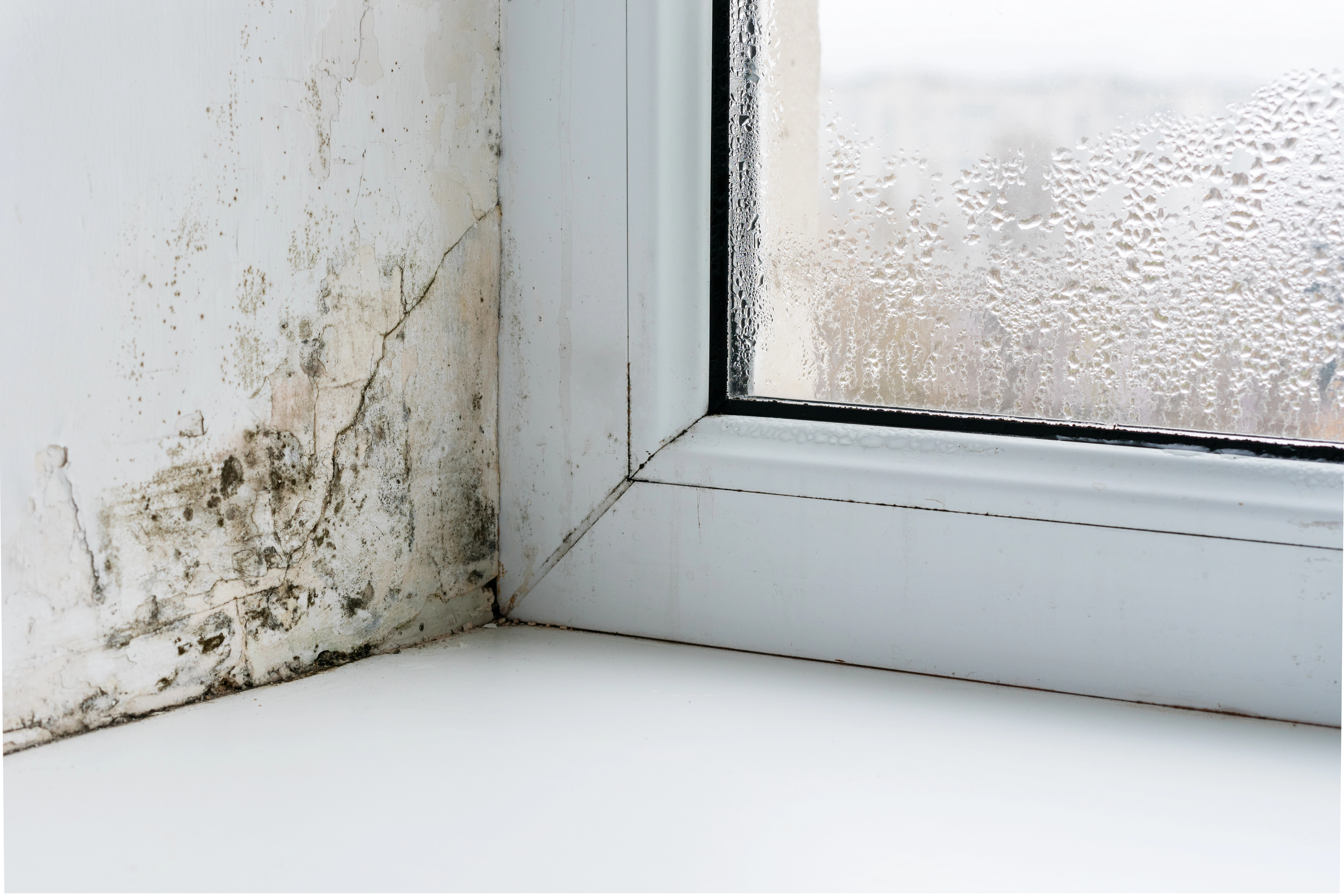
2. Dust Mites – The Invisible Invaders
Dust mites are microscopic organisms that live in bedding, mattresses, carpets, and upholstered furniture. High humidity allows them to reproduce rapidly. Their waste and decomposed bodies are among the most common indoor allergens, leading to:
- Allergic rhinitis
- Shortness of breath
- Sinus infections
3. Heavier, More Difficult-to-Breathe Air
As humidity rises, the amount of water vapor in the air increases, making the air denser and heavier. This reduces the oxygen available per breath, putting more strain on the respiratory system, especially for individuals with compromised lung function.
💡 How to Control Humidity and Protect Your Lungs
While we can't control the weather, we can take control of our indoor air quality, especially during the rainy season:
1. Maintain Ideal Humidity Levels (40–60%)
- Use a dehumidifier and a hygrometer to monitor and regulate indoor humidity
- Avoid drying clothes indoors, particularly at night
- Keep windows open when the weather permits to improve air circulation
✅ 2. Use a High-Performance Air Purifier
IQAir’s ultra-fine filtration technology can:
- Remove PM2.5, mold spores, pollen, and bacteria down to 0.003 microns
- Significantly improve sleep quality and respiratory comfort
3. Clean Regularly and Thoroughly
- Focus on damp-prone areas like bathrooms, kitchens, and under sinks
- Wash bedding, curtains, and rugs at least once a week
🛡️ IQAir – Your Comprehensive Solution for Safe Breathing in Every Season
IQAir is more than just an air purifier; it’s an invisible shield that empowers you and your family to:
- Proactively defend against airborne threats in humid environments
- Keep your lungs healthy, supporting a stronger immune system overall.